There is a version of AI adoption that the insurance industry is being sold right now that sounds compelling on the surface but contains a dangerous flaw at its core. The pitch goes something like this: automate as much as possible, reduce the human touchpoints, let the system handle the repetitive work, and watch your throughput increase. And while there is real truth in the idea that insurance workflows need to move faster, the version being sold most aggressively is missing something critical. It is missing an honest accounting of what happens to the professional sitting at the end of that automated pipeline.
When a system automates faster than a person can meaningfully follow, the human does not get removed from the workflow. They get repositioned inside it in the worst possible way. They become the final verifier, responsible for the output, accountable for every mistake, but operating with almost no real ability to catch what went wrong. They skim. They approve. They move on. Because what else are they supposed to do? This is what we call the verifier trap. The professional is technically still in the loop, but they are doing so in conditions that make real oversight nearly impossible. In insurance, the consequences are professional and legal. A wrong field on a submission can affect coverage. A missing driver record can expose the agency to a claim dispute. The system does not carry the E&O exposure. The professional does.
The pressure to adopt AI is coming from every direction at once, and it is creating a dynamic where teams are adopting automation tools without asking the right questions first. Not "can this tool move data faster" but "what happens to the human's ability to control and verify the output when this tool is operating inside a real workflow under real time pressure." In a demo, the data is clean, the workflow is linear, and the reviewer has time. In a real agency, data comes from everywhere: partial intake sheets, handwritten PDFs, emails from clients who gave you half the information you need, carrier portals that do not speak to each other. The workflow is a series of judgment calls and corrections made across multiple tabs and systems over the course of hours. When you put an automation tool designed for clean, linear workflows into that environment without thinking about how the human will interact with it under pressure, you do not improve the workflow. You add a layer of risk that was not there before.
What speed at all cost would look like:
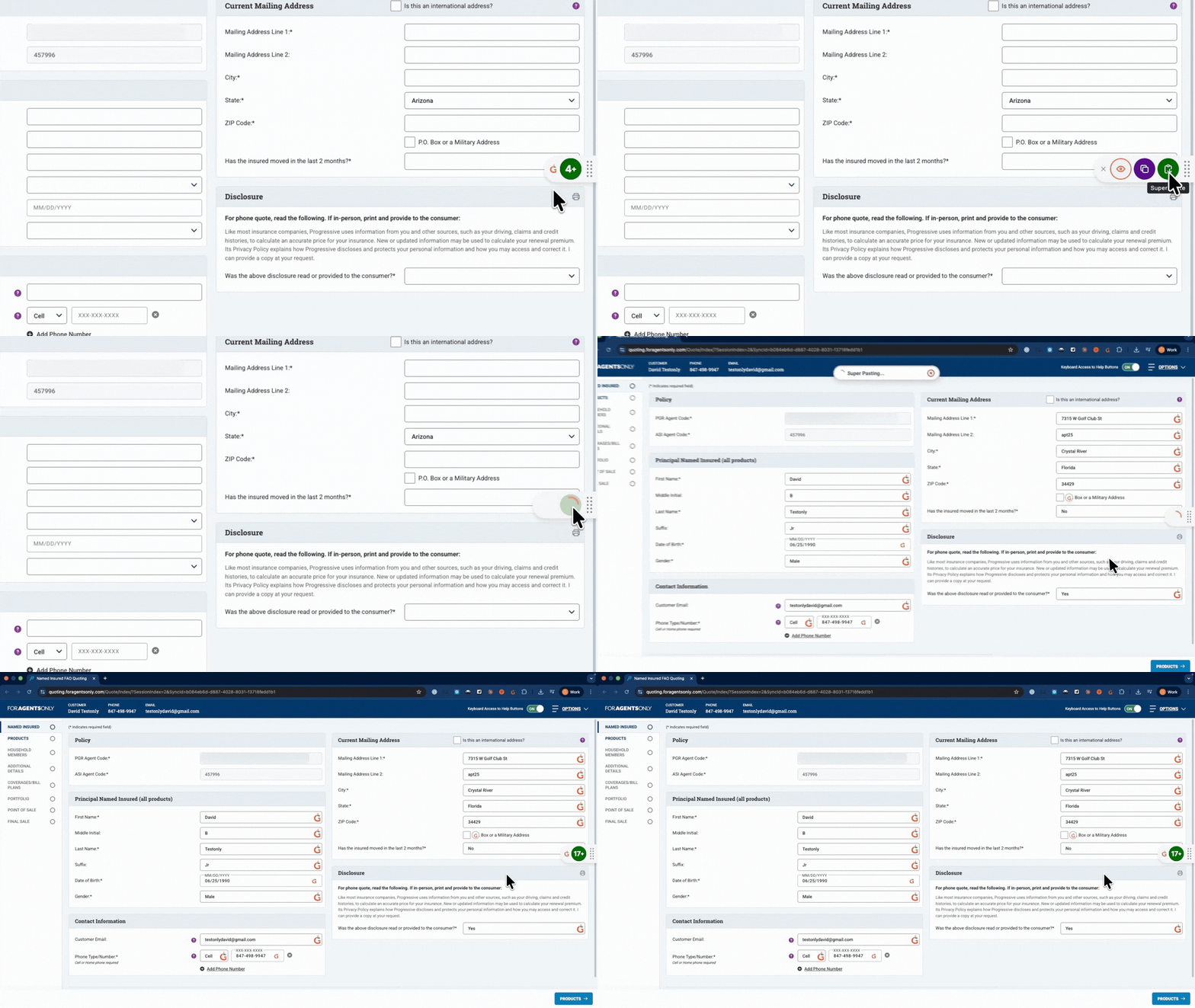
This is the tension we have been working through at Gaya since we started building. We know that the industry needs to move faster. The agencies using Gaya are quoting faster, submitting cleaner, and handling more volume without adding headcount. The speed gains are real. But we made a deliberate product decision early on that we still get asked about: Gaya sometimes intentionally looks slower than it technically could. We could push more automation into more steps. We could make the whole experience feel more like magic. We chose not to, because the professional using Gaya is the accountable party in a regulated transaction. They are the one whose license is on the line, who has to stand behind the submission that goes to the carrier and the application that goes to the underwriter. The software does not sign any of those documents. The human does. So when we design how Gaya moves data from one system to another, we build in checkpoints where the user can see what happened, confirm it is right, and move forward with confidence rather than anxiety.
How we let the agent see what is happening:
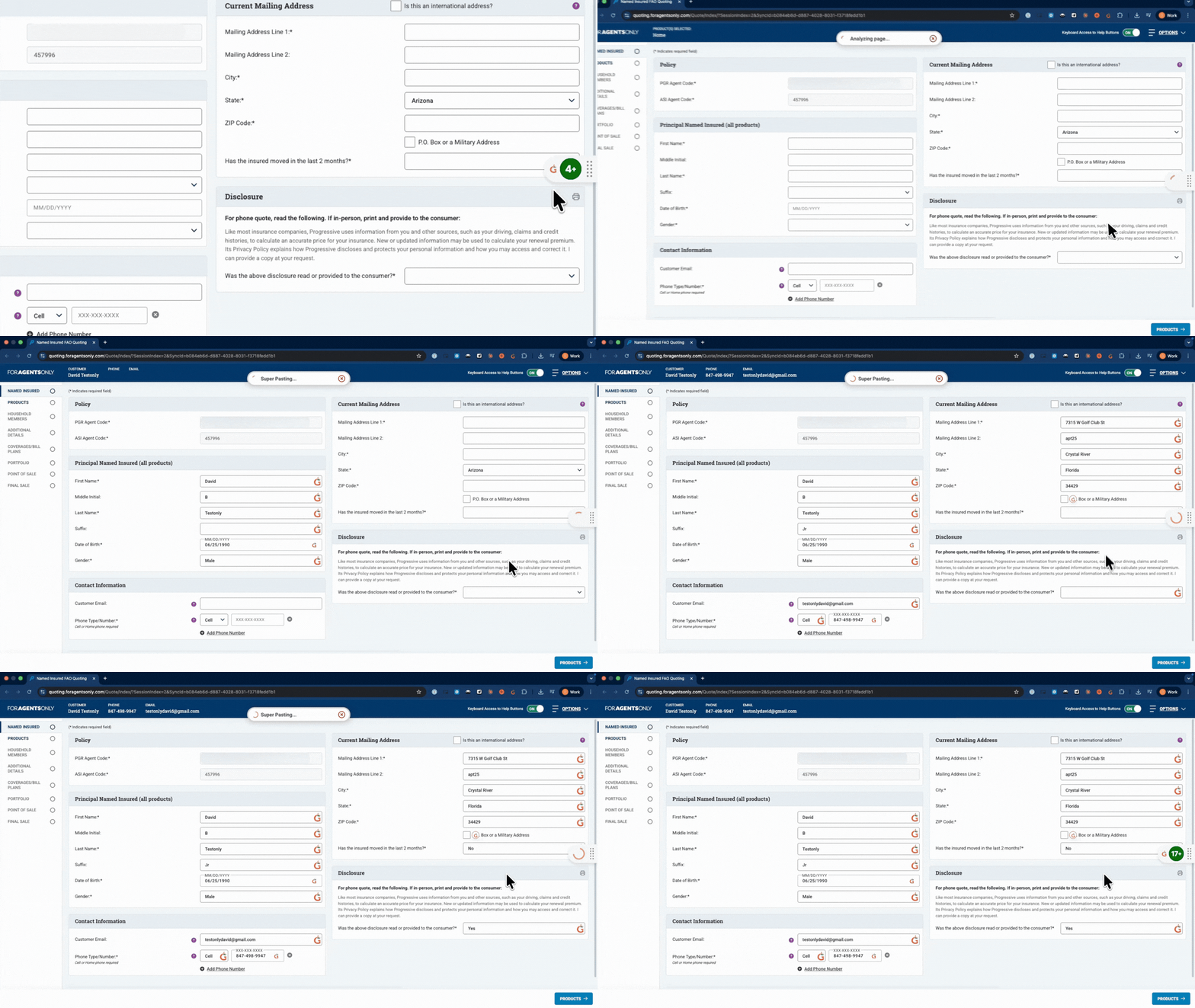
The concept we keep coming back to is controlled acceleration. It is not a compromise between speed and control. It is the idea that the real goal is designing automation that moves as fast as the human can confidently follow, with enough transparency and structured checkpoints that oversight stays real rather than becoming a formality. This is harder to build than maximum automation. It requires understanding the workflow you are operating inside, not just the technical steps but the cognitive load and the judgment calls that no system can make for the professional. The tools that will hold up in this industry are not the ones that moved the fastest in 2025. They are the ones that figured out how to make professionals genuinely faster without making them less capable of exercising the judgment and oversight that insurance depends on.
Ready to quote faster and eliminate manual data entry?
Experience Gaya’s Super Copy & Super Paste technology firsthand.
Schedule a free 15-minute demo through our website’s “Schedule a Demo” button and see how Gaya can cut your quote turnaround times, boost client relationships, and keep your agency ahead of the curve.
Want to know more? Reach out to us anytime at hey@gaya.ai.